Back to Where We Work


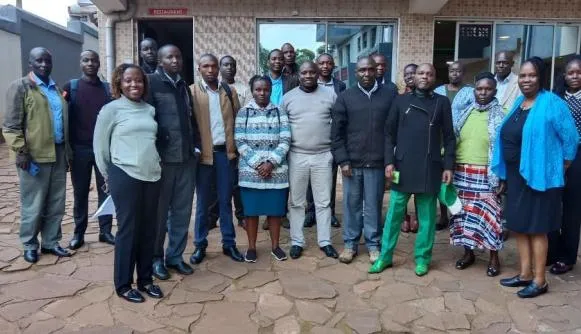
Stakeholder Engagement: Key for Effective Climate Action
View Story




ICAT support in Kenya initially focused on strengthening the capacity to effectively and efficiently implement, monitor, and report adaptation actions and collect data for GHG inventories for the agriculture sector at national and county levels. Subsequent projects have targeted transparency for the crops sub-sector and nature-based solutions.

The project aims to develop a nature-based solutions monitoring and evaluation framework aligned with Kenya's climate-smart agriculture monitoring and evaluation framework . It seeks to identify and map relevant nature-based solutions practices in key biodiversity areas, create a national framework with clear metrics for measuring resilience, mitigation, and adaptation, build stakeholder capacity for data collection and reporting, and pilot the framework.
Project highlights will be displayed here as the project implementation progresses.
Deliverables will be made available here as the project progresses.
The main objective of this project is to build a sustainable crop subsector GHG activity data information system that will: facilitate information sharing among stakeholders, inform carbon emissions trend, agricultural development policy and decision making in Kenya, and track NDC implementation progress.
Strengthen the capacity to effectively and efficiently implement, monitor, and report adaptation actions for the agriculture sector in Kenya at national and county levels in a transparent manner.


If you want to find out more about the ICAT project in Kenya, Please contact the ICAT Secretariat.
Contact