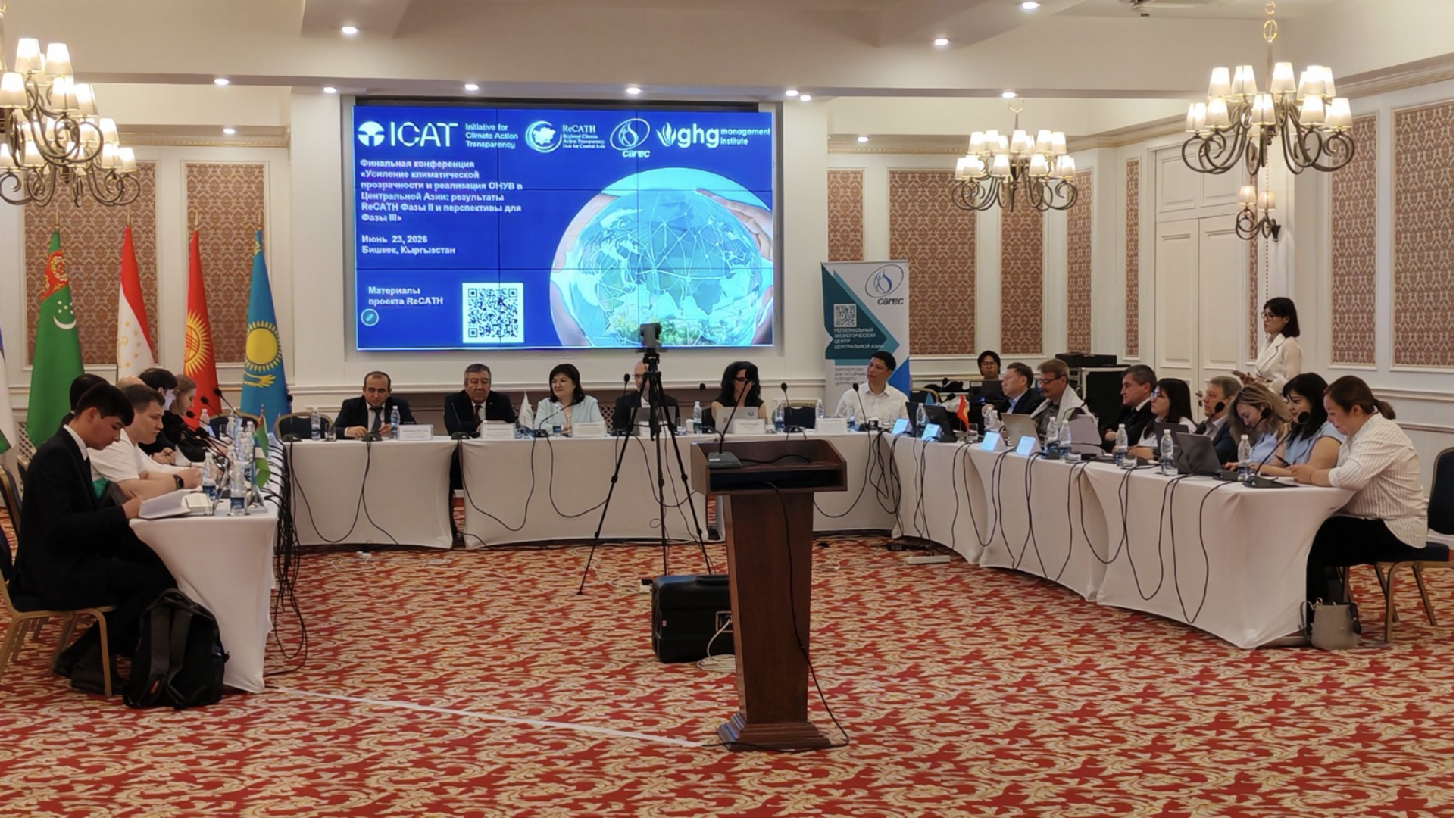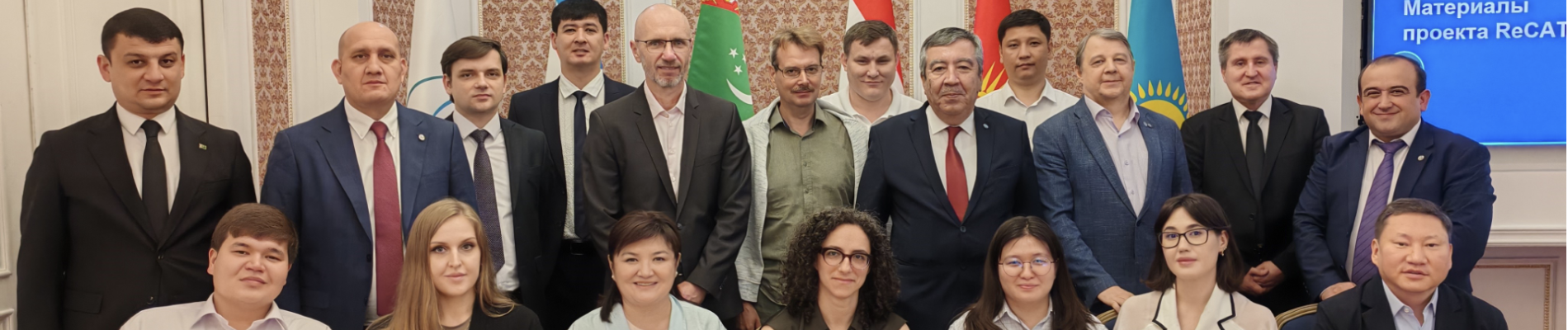
A closing workshop was held on 23 June 2026 in Bishkek, Kyrgyzstan, to celebrate and evaluate the achievements of the second phase of the Regional Climate Action Transparency Hub for Central Asian States. The workshop offered an opportunity to reflect on what has been achieved over the past five years of collaboration, and to explore what comes next for climate transparency in the region.
The ICAT Hub event brought together government representatives, national coordinators, and climate policy experts from Kazakhstan, Kyrgyzstan, Tajikistan, Turkmenistan, and Uzbekistan. Representatives from international partners were also in attendance.
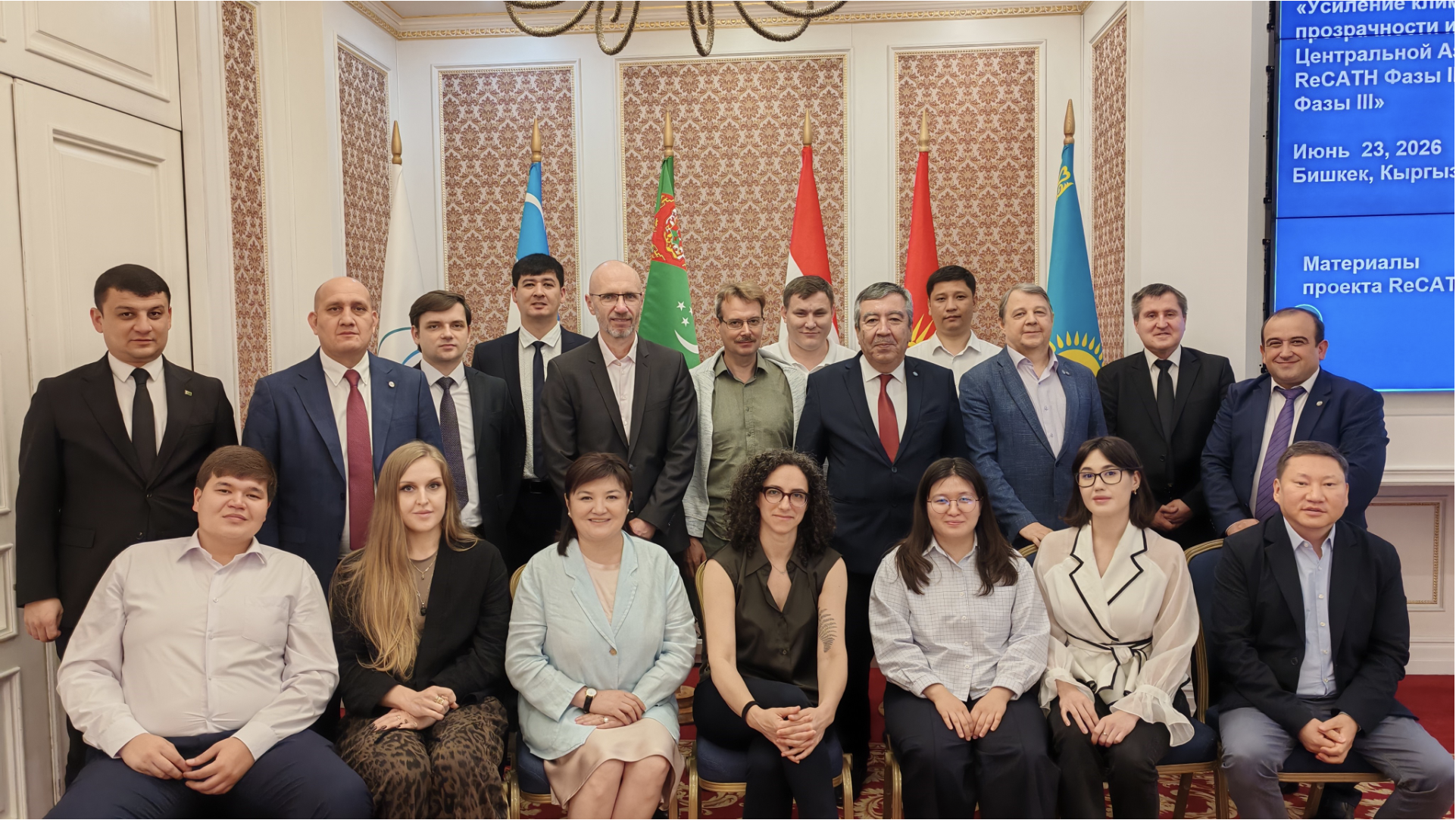
Five years of collective learning
The ICAT Hub in Central Asia is hosted by the Regional Environmental Centre for Central Asia (CAREC) in Almaty, Kazakhstan, with technical support from the Greenhouse Gas Management Institute (GHGMI). It was established in November 2021 to support its five member countries in enhancing their climate transparency frameworks and capacity. With stronger systems and enhanced expertise now in place, countries are better positioned to advance evidence-based climate mitigation and adaptation actions and to meet their reporting requirements under the Paris Agreement.
Since its inception, peer learning has been at the heart of the Hub’s approach. The Hub brought together specialists from across the region to learn from one another, work through similar challenges, and share experiences, contributing to capacity strengthening.
The first phase of the Hub (2021-2024) established a regional platform for technical cooperation and knowledge exchange, building capacity in greenhouse gas inventories and supporting countries in preparing their Biennial Transparency Reports (BTRs).
The second phase of the Hub (2025-2026) further advanced the work, concentrating on supporting the strengthening and implementation of the countries’ Nationally Determined Contributions (NDCs) through transparency. A highlight of this phase was a peer review process in which specialists from across the region reviewed national greenhouse gas inventories, with a particular focus on the land-use sector.
“Many climate challenges cannot be solved at the national level alone. For Central Asian countries, it is extremely important to preserve and strengthen regional cooperation, as our states face shared risks and have a common opportunity to advance sustainable low-carbon development.” - Aizada Barieva, Head of the Department of Environmental and Climate Policy, Ministry of Natural Resources, Ecology and Technical Supervision of the Kyrgyz Republic
Results in action
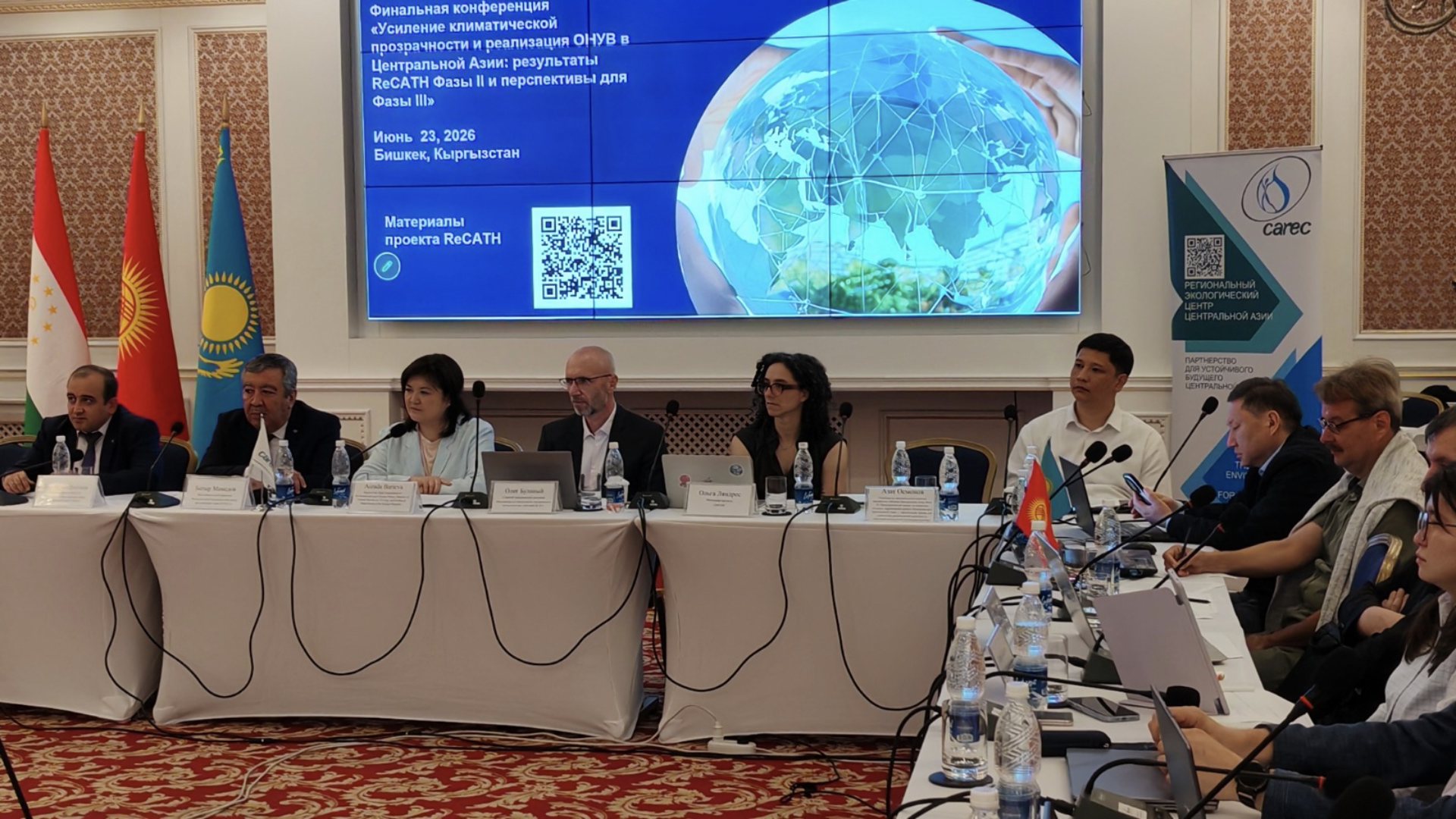
The closing workshop gave countries a chance to take stock of how the transparency tools, methodologies, and approaches developed and used throughout the Hub’s activities are being applied in national processes. Discussions covered policy assessment, approaches to monitoring and evaluation of adaptation actions, and efforts towards climate finance mobilization.
“We can see that the results are already being used across the region. Greenhouse gas inventory systems are being improved, peer review mechanisms are being applied, approaches to adaptation monitoring and evaluation are being developed, foundations for sustainable finance are being established, and the groundwork is being laid for more ambitious NDCs.” - Dr. Batyr Mamedov, Executive Director, Regional Environmental Centre for Central Asia (CAREC)
Looking ahead
Workshop participants also explored the potential direction of a third phase of the Hub. Based on priorities identified at a Regional Steering Committee meeting in March 2026, areas under consideration include developing regional approaches to adaptation monitoring and evaluation, strengthening NDC progress tracking mechanisms, building capacity for BTR preparation, and further developing climate finance tools.